
Midtown Public Charter: A Flagship of Hope and Possibility for Mississippi’s Future

When Tony Yarber, Director of Schools for Midtown Public Charter, talks about the future, he does not just talk about students passing tests or earning diplomas. He talks about a twenty-five-year investment in people. He talks about children who discover what winning feels like in third grade, young adults who graduate high school with confidence, and alumni who grow into citizens still contributing to Mississippi decades later.
“Midtown is going to be the flagship charter school in Mississippi,” Yarber says with conviction. “We are building something that will outlast us.”
That vision is already taking shape. Midtown recently gained approval to expand to third grade, with the goal of serving students from Pre-K through eighth grade — a milestone that positions the school as one of the most comprehensive charter models in the state. That growth comes on the heels of strong academic performance: Midtown is now ranked as the second highest-rated charter school among Mississippi’s ten charter schools, a testament to its instructional quality and community trust. Beyond academics, students are being celebrated for leadership and character through initiatives like the school’s inaugural Royal Court, reinforcing a culture where excellence extends beyond the classroom. Still, Yarber insists the school’s future will be shaped not by politics or outside agendas but by families themselves. “If families want us to expand, that will be the sign we’re on the right path.”
The roots of Midtown trace back to the neighborhood’s own call for change. When traditional public feeder schools failed to meet students’ needs, community members stepped up. They gathered data, rallied support, and, with determination on top of a little prior knowledge of how to start a school, launched Midtown as one of Mississippi’s first charter schools. “This school exists because the community demanded it,” Yarber explains. “It is a response to inequities that families had endured for too long.”
That community-driven origin continues to define the school. Families are not just consumers of education; they are active partners shaping Midtown’s culture. Students, meanwhile, are challenged with rigorous content and supported in ways that prepare them for long-term success.
For Yarber, this is what makes charter schools so transformative: they do not only impact students, but they also elevate entire families and neighborhoods. “When parents have real choices and their children are thriving, the whole community wins,” he says.
Looking ahead, Yarber sees Mississippi at a turning point. The next five to ten years will determine whether charter schools become a permanent, respected part of the state’s educational ecosystem. “Charters have an opportunity right now to define who we are as a sector and to articulate that clearly to the state,” he says. “Parents need clarity. They need to understand that public charter schools are part of the solution. This isn’t about muddying the waters. It’s about choice, and choice must be real.”
Challenges remain, from misconceptions about charters to the political battles over school choice. But Yarber remains optimistic. He believes that as more families experience the benefits firsthand, demand will grow, and Mississippi will move closer to the educational freedom already seen in neighboring states.
What does he need from the state to make the vision a reality? His answer is straightforward: “If the State considered some changes to the current charter law, that creates a more sustainable ecosystem and promotes collaboration between charters and traditional public schools, charters like Midtown can become a mainstay in communities”.
It is a story worth telling. Midtown Public Charter School is not just another school. It is a movement born from the people, for the people, and sustained by a vision of students who are not just passing grades, but learning what it means to win in life.
And if Yarber has his way, Midtown will be remembered not only as a school but as the flagship of a brighter, freer Mississippi.


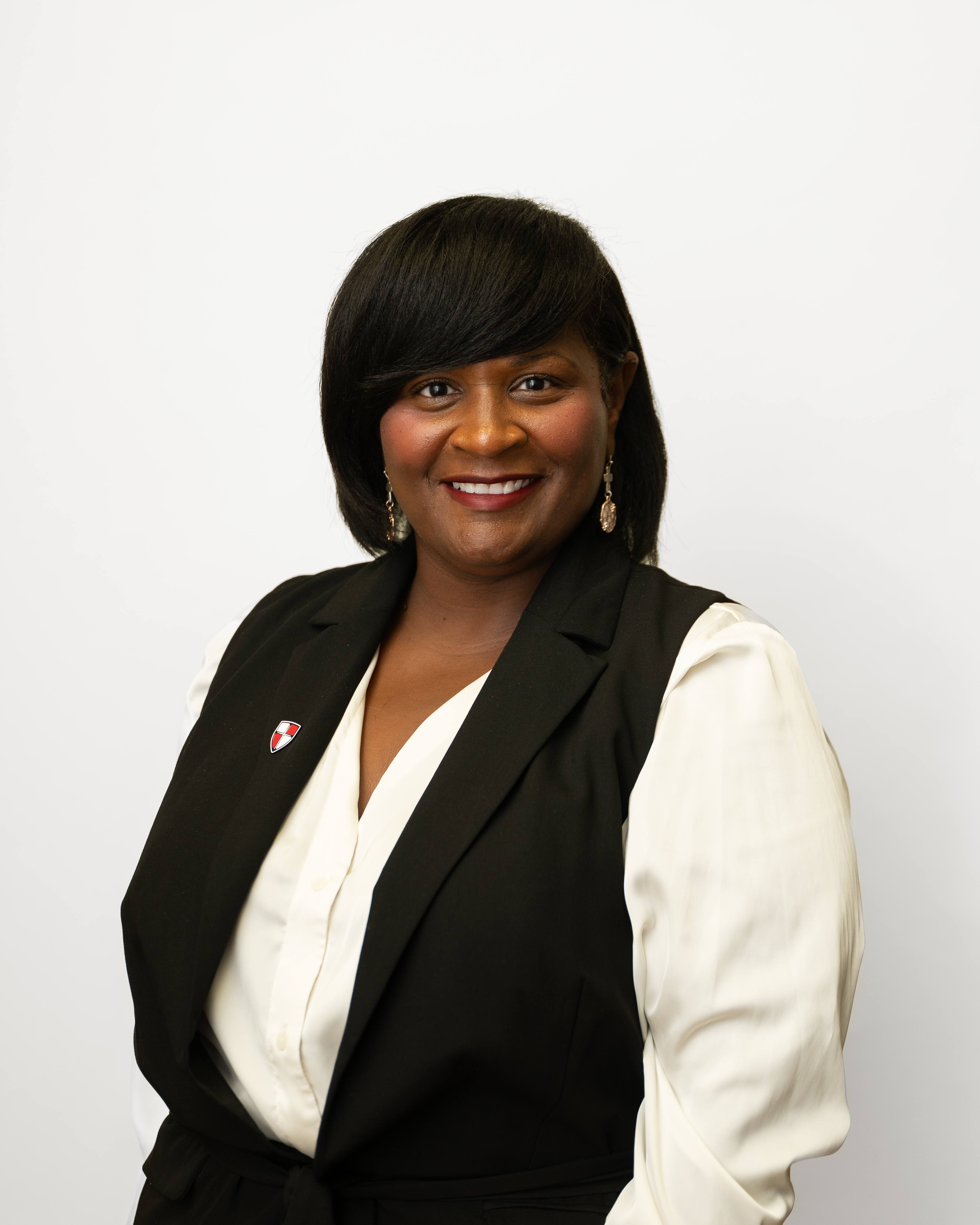
Ashley Green
Ashley Green is the Director of Outreach. In this role, Ashley leads our efforts to connect with individuals most impacted by public policy in education, work, and criminal justice. Her work focuses on elevating community voices and ensuring those directly affected have a platform in the conversations that shape Mississippi’s future.