From a Mother’s Struggle to a Thriving Academy: The Story of Knox Academy
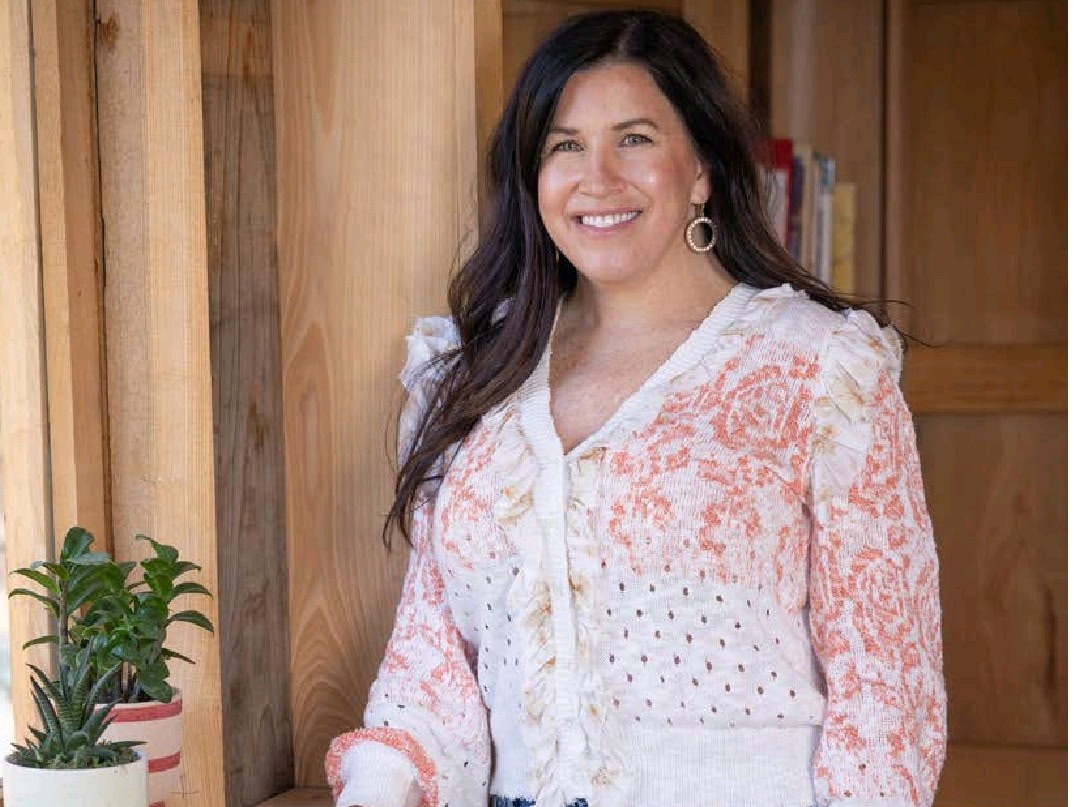
When Julie Gilliland first sat in doctors’ offices years ago, hearing predictions about her son John Knox, the words felt heavy and discouraging. Again and again, she was told that his autism was severe and that traditional paths might not offer him the support he would need to thrive in school or everyday settings.
But Julie refused to accept that as the end of his story.
She immersed herself in research, connecting with specialists across the United States and internationally. She explored therapies, dietary changes, supplements, and interventions—anything that might help her son reach his full potential. Over time, one of the greatest challenges she encountered was not medical, but educational.
Julie found that many schools—public and private alike—were serving students within complex systems, often with dedicated educators working hard within real constraints and limited resources. While deeply committed to children, these systems did not have the specialized resources, staffing, or flexibility required to fully support John Knox’s learning needs. Each closed door was painful, but instead of discouraging her, those experiences strengthened her resolve. What began as advocacy for her own son grew into a broader vision for families facing similar obstacles.
Out of that vision, Knox Academy was born.
Julie secured a facility in Ellisville, Mississippi, and personally oversaw its renovation and program development. From the ground up, she set out to create a school where children with complex learning needs would be supported intentionally and thoughtfully.
Knox Academy was established as a Montessori-inspired private school uniquely integrated with Applied Behavior Analysis (ABA) and clinical services, all under one roof. The model emphasizes individualized learning, collaboration among educators, therapists, and families, and a whole-child approach to education. Attention to nutrition, non-toxic environments, and developmentally appropriate supports is woven into daily practice. The goal was never simply accommodation, but meaningful growth and opportunity.
The response was immediate. In its first year alone, Knox Academy received more than 270 applications from families across the United States—many willing to relocate or commute long distances in search of the right educational environment for their child.
Today, the school serves 45 students, with thoughtful plans to grow to 60 while maintaining its commitment to quality. Next year, Knox Academy will expand to seventh grade, with a long-term goal of serving students through twelfth grade.
Beyond its campus, Knox Academy has become a valued part of the local educational landscape. Area schools recognize the benefit of having a specialized setting available for students who require more intensive supports, easing pressures on classrooms and creating opportunities for collaboration.
The journey has not been without challenges. Knox Academy operates without state, federal, or local funding. Every program and service has been built through private investment and personal sacrifice. While the school works to keep costs lower than comparable programs nationwide, families often still face significant financial demands, and insurance coverage for essential services remains limited.
Julie’s vision extends beyond Ellisville. The long-term goal is to grow Knox Academy into a full K–12 program and, eventually, to share this model with other communities where families are searching for meaningful options.
Expansion will always be approached carefully, with quality and student-centered care at the forefront. What began as one mother’s determination to rewrite her son’s story has grown into a school helping many children move forward—with support, intention, and hope.


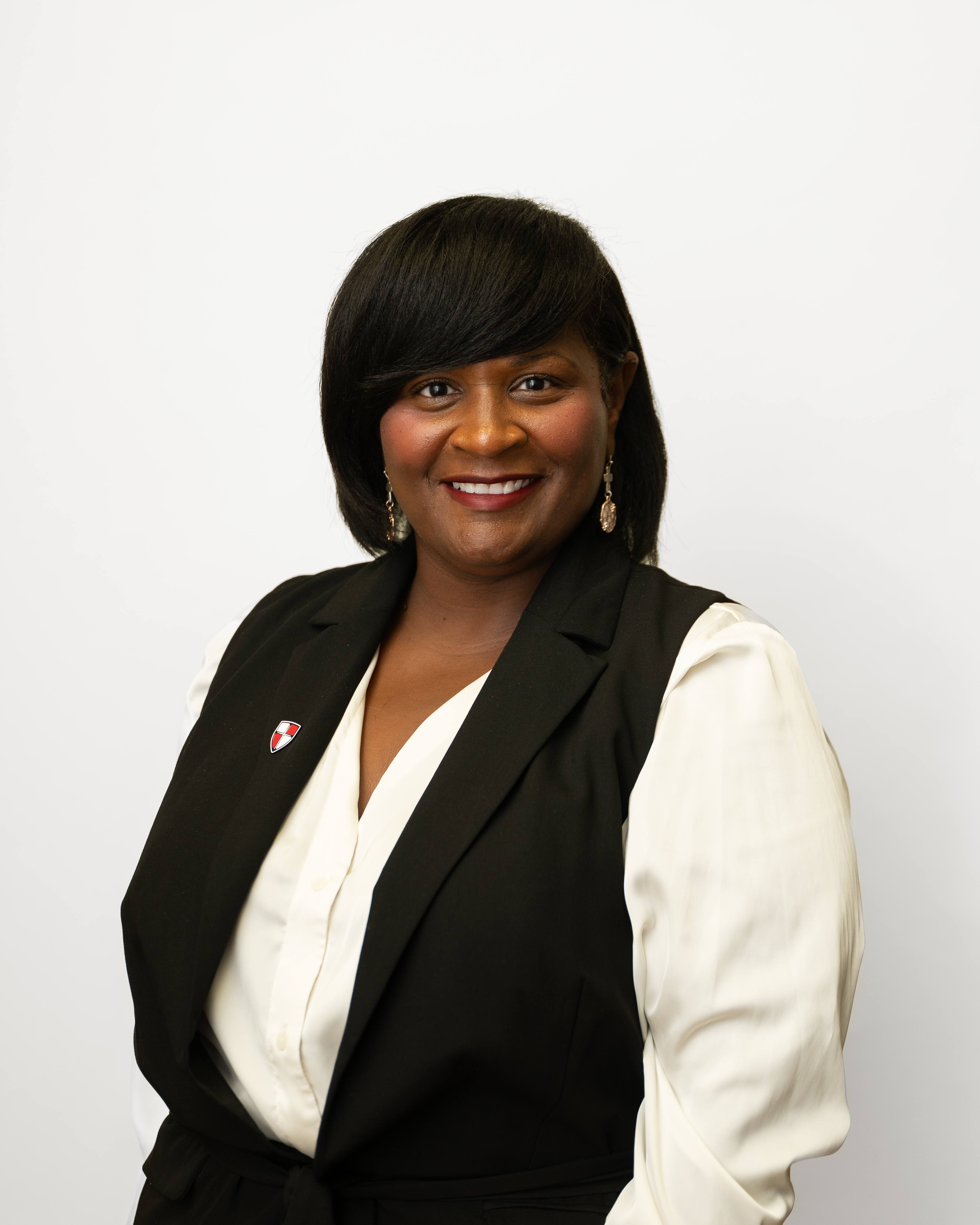
Ashley Green
Ashley Green is the Director of Outreach. In this role, Ashley leads our efforts to connect with individuals most impacted by public policy in education, work, and criminal justice. Her work focuses on elevating community voices and ensuring those directly affected have a platform in the conversations that shape Mississippi’s future.