
From Incarceration to Impact: How Karl Hampton Found Freedom Through Opportunity
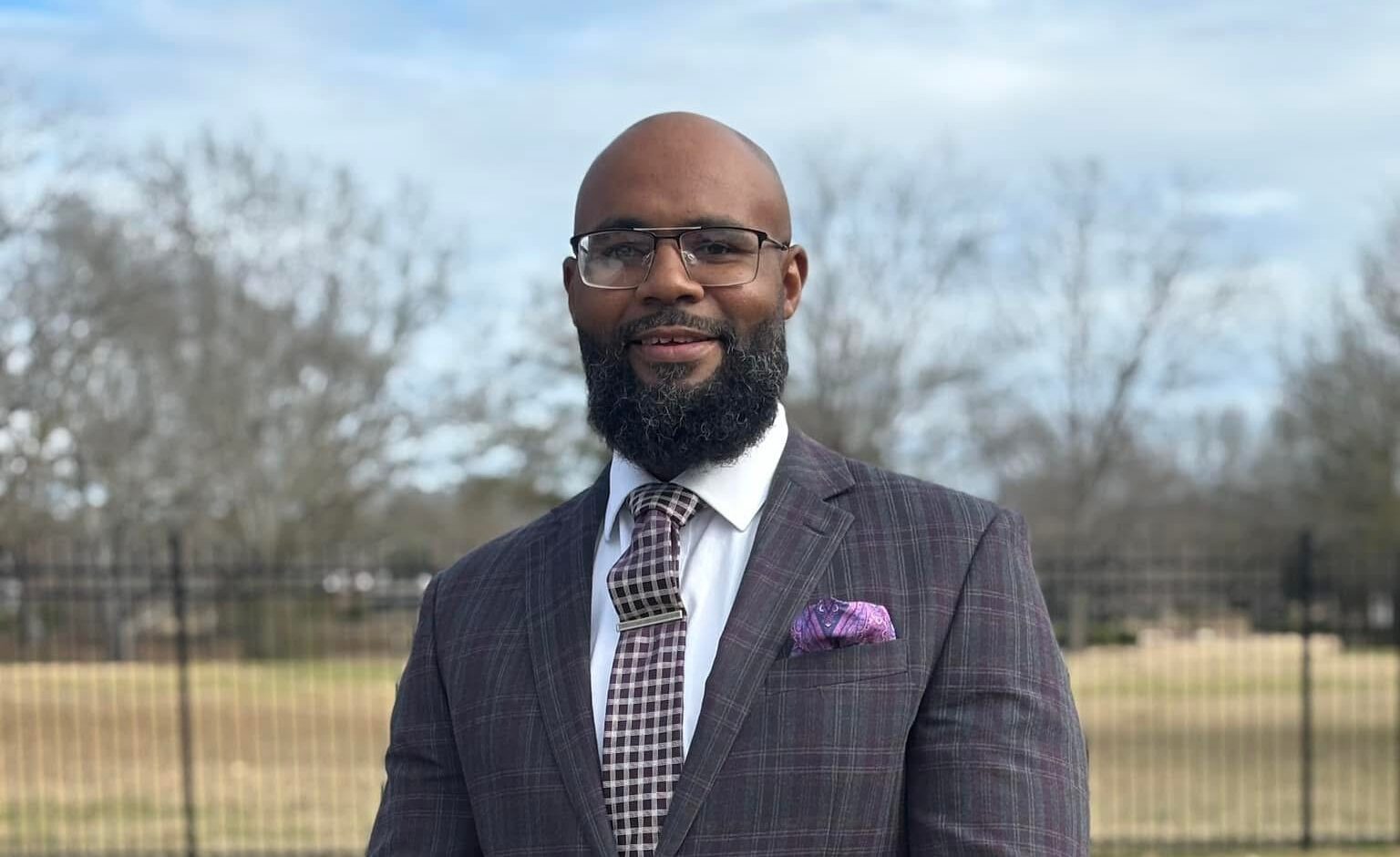
For Karl Hampton, incarceration was not the beginning of his story. It was the moment his story began to change.
Before prison, Karl’s life was shaped by a constant search for affirmation. Growing up without a father figure, he—like many young men—looked to his community to define what manhood meant. Street culture provided validation, reputation, and identity. It rewarded toughness, silence, and survival. But it also demanded loyalty to a code that required constant proving, even when it meant violence, crime, or incarceration.
“The people living the street life will affirm you,” Karl explains. “It will tell you you’re real or you’re tough. And once you accept that identity, you must live up to it no matter the cost.”
That cost eventually led Karl to prison.
When Jail Becomes a Badge of Honor
In Karl’s world, incarceration wasn’t feared. It was respected. Surviving jail elevated a person’s status. Once that fear was gone, behavior escalated. Jail stories became credentials. Wisdom came not from teachers or mentors, but from men who had “done time.”
But prison also exposed Karl to something unexpected: perspective.
Inside, he encountered men from across Mississippi and beyond—people with different experiences, different voices, and different truths. One of the most impactful moments came from someone Karl once admired, a major drug dealer who told him plainly, “Don’t come back. We need you out there.”
That moment shattered the illusion.
“For the first time, I realized everything I admired wasn’t worth it. The lifestyle didn’t work for me the way it worked in music videos or movies. I was paying the price. They weren’t.”
A Shift in Mindset Behind Bars
Karl’s transformation began in a jail cell.
During a 16-month wait for trial, he encountered faith—not as an abstract concept, but as a lifeline. He picked up a Bible and committed to a new code, just as fiercely as he once committed to the streets. His faith didn’t free him physically, but it liberated him mentally.
“I felt free in that cell,” Karl says. “I knew I had another start.”
That mental shift changed everything.
Incarceration taught Karl that the skills he used in the streets—hustle, discipline, communication, and leadership—weren’t the problem. They had simply been used for the wrong purpose. What he needed wasn’t a new identity, but a new opportunity.
The Hardest Sentence: Reentry
Coming home was harder than being in prison.
With limited education, no credit, and a felony record, Karl faced rejection after rejection. Jobs were scarce. Wages were low. The temptation to return to familiar circles was constant. He remembers working multiple jobs, bringing home just a few hundred dollars every two weeks, yet refusing to quit.
What changed everything was one opportunity.
A man noticed Karl’s work ethic at a fast-food job and offered him a chance to run a landscaping business temporarily. That opportunity became the bridge Karl needed. He learned new skills, built relationships, and eventually launched his own company, Hampton Pro Lawn Care.
“That opportunity saved me,” Karl says. “The system wasn’t going to give it to me. Somebody had to.”
A New Purpose
Today, Karl is an entrepreneur, pastor, husband, father, and mentor. He intentionally hires and mentors men who are formerly incarcerated, homeless, or overlooked, because he understands that most people don’t need handouts. They need opportunities.
“If you can work, you deserve an opportunity,” Karl says. “Most people aren’t bad workers. They’re just in bad positions.”
His approach is simple: change the mindset, provide structure, and expand the vision. He helps others take the same hustle they once used in survival mode and redirect it toward legitimate success.
“We sold dope door-to-door,” Karl says. “That’s sales. That’s business. The skill wasn’t the problem. The purpose was.”
Why Second Chances Matter
Karl’s story reveals a critical truth: second chances make our communities safer.
People are more than their worst decision. With the right support, change is real, and Karl’s life shows what can happen when someone is given a real shot to rebuild.
Too often, people leave prison with no clear path forward—no job, no mentorship, no support for mental health or addiction. When that happens, it’s not surprising that some fall back into old patterns. That doesn’t just hurt them, it puts communities at risk.
“If we know people are most vulnerable in the first three years after incarceration,” Karl asks, “why aren’t we surrounding them with options instead of obstacles?”
A New Code
Karl lives by a new code rooted in faith, accountability, and service. He believes transformation is possible because he lives it every day.
“If it doesn’t hurt, it doesn’t work,” he says. “Growth requires pressure.”
And perhaps his most powerful truth:
“You’re not stuck with your decisions. You’re stuck with the consequences. But when you’re given new options, you can choose a different future.”


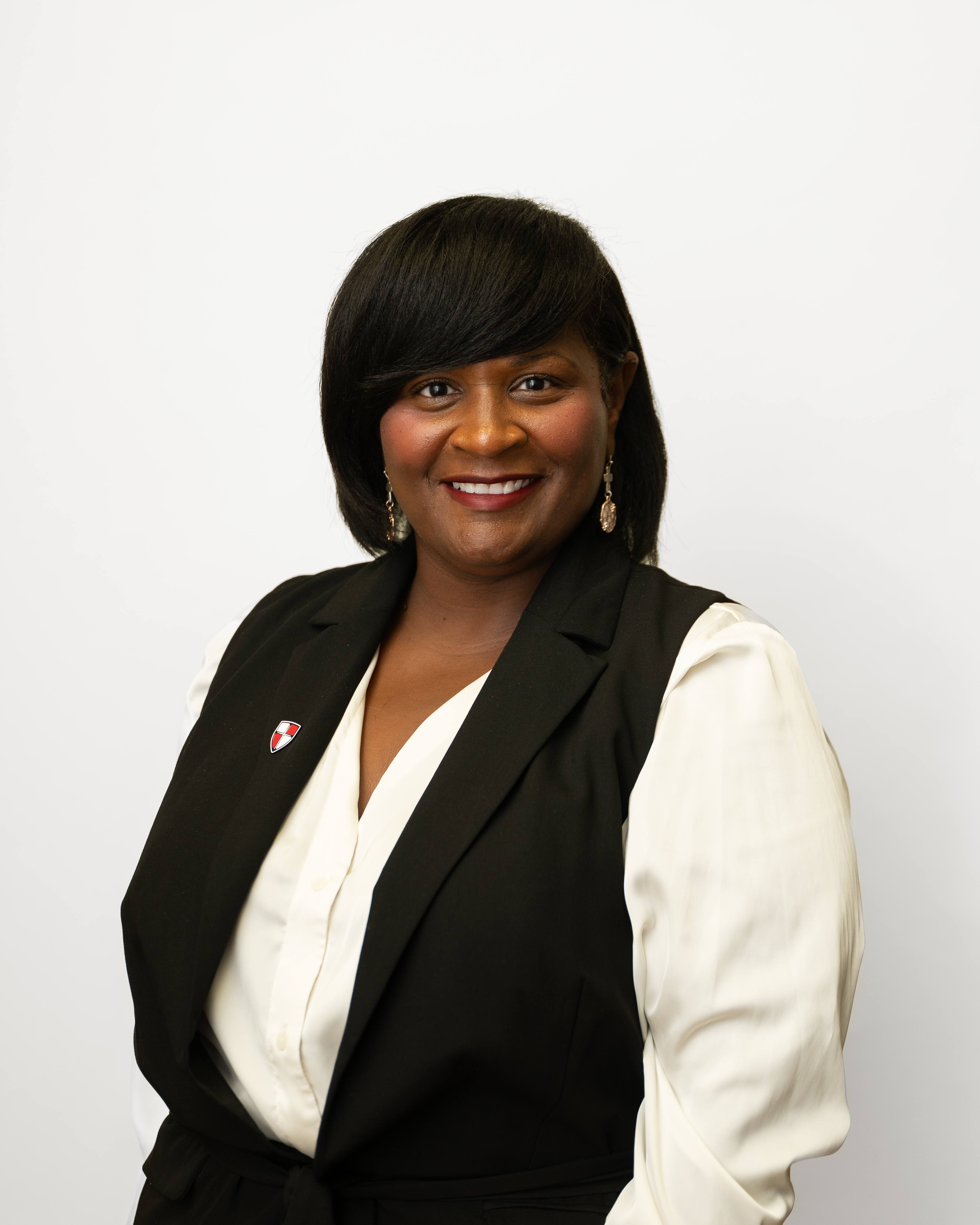
Ashley Green
Ashley Green is the Director of Outreach. In this role, Ashley leads our efforts to connect with individuals most impacted by public policy in education, work, and criminal justice. Her work focuses on elevating community voices and ensuring those directly affected have a platform in the conversations that shape Mississippi’s future.